 (Image via
Living in an older home often feels like a romantic relationship with a very charming ghost who constantly leaves the windows open. You love the character and the history, but you could do without the drafts that freeze your toes and the heating bills that burn your wallet. Retrofitting an older property to Passive House standards, often called EnerPHit, is the ultimate makeover. It turns that drafty money pit into a fortress of comfort and efficiency. It is not just about slapping on some solar panels, it is about rethinking the entire building envelope to keep heat exactly where you want it.
The goal here is drastically reducing the amount of energy required to heat and cool your living space. We are talking about reductions of up to ninety percent, which sounds like magic but is actually just rigorous building physics. While achieving full certification can be tricky with existing structures, applying these strategies will transform your living experience. You get a quiet, comfortable, and healthy home that sips energy rather than guzzling it. It requires careful planning and execution, but the payoff is a home that feels brand new without losing its vintage soul.
Continuous Insulation Around The Envelope
Imagine walking out into a blizzard wearing nothing but a cotton t-shirt. That is essentially what your uninsulated brick or timber walls are doing every winter. The first and most critical step in a passive retrofit is wrapping the entire building in a thick, continuous layer of insulation. This thermal blanket keeps the warm air inside during winter and the hot air outside during summer. It needs to cover everything from the roof down to the foundation, ensuring there are no gaps where energy can escape. Think of it as putting a high-tech tea cozy over your house.
Applying this insulation usually happens on the exterior of the building, which is great because it preserves your interior square footage and covers up thermal bridges. If you have a historic facade you simply cannot cover, you can insulate from the inside, though this requires careful moisture management to prevent rot. The material choices range from mineral wool to rigid foam or even eco-friendly wood fiber. Whichever you choose, the aim is to achieve high R-values that stop heat transfer dead in its tracks. A well-insulated home maintains a stable temperature year-round, freeing you from the tyranny of the thermostat.
Establishing A Robust Airtight Layer
Most older homes breathe, but unfortunately, they breathe in all the wrong places. Cracks around floorboards, gaps in the attic, and unsealed pipe penetrations allow conditioned air to leak out and uncomfortable drafts to sneak in. Passive House standards require an airtight building envelope, which means sealing up every single hole and crack. You are essentially trying to make the house as airtight as a submarine, although hopefully with better views. This layer prevents moisture damage within the walls and stops your expensive heat from simply floating away into the neighborhood.
Achieving this requires a dedicated airtightness layer, often a smart membrane or specialized plaster applied to the walls. Builders use high-quality tapes and sealants to join windows to walls and seal junctions between floors. Success is measured by a blower door test, where the house is pressurized to find leaks. It sounds intense, but the result is a home free from drafts and dust. This airtight barrier also protects your insulation from moisture-laden air, ensuring it performs perfectly for decades. It is the invisible hero of the passive house system.
High Performance Triple Glazed Windows
Your vintage single-pane sash windows might look lovely, but functionally they are just holes in the wall that let heat escape. Upgrading to high-performance, triple-glazed windows is a non-negotiable strategy for a passive retrofit. These are not your average windows from the local hardware store. They feature three layers of glass with inert gas fillings and insulated frames that prevent thermal transfer. They are engineered to keep the inner surface of the glass warm, meaning you can sit right next to a window in the middle of winter without feeling a chill.
These windows act as passive solar collectors, letting in the sun's heat during the day to warm your home for free. Properly positioned shading is essential to prevent overheating in summer, but in winter, they are a critical heat source. Installing them requires precision to ensure the airtight seal connects perfectly with the wall insulation. While they are a significant investment, the increase in comfort and soundproofing is immediate. You suddenly realize just how loud the street outside used to be, and you enjoy a newfound silence along with your lower energy bills.
Eliminating Pesky Thermal Bridges
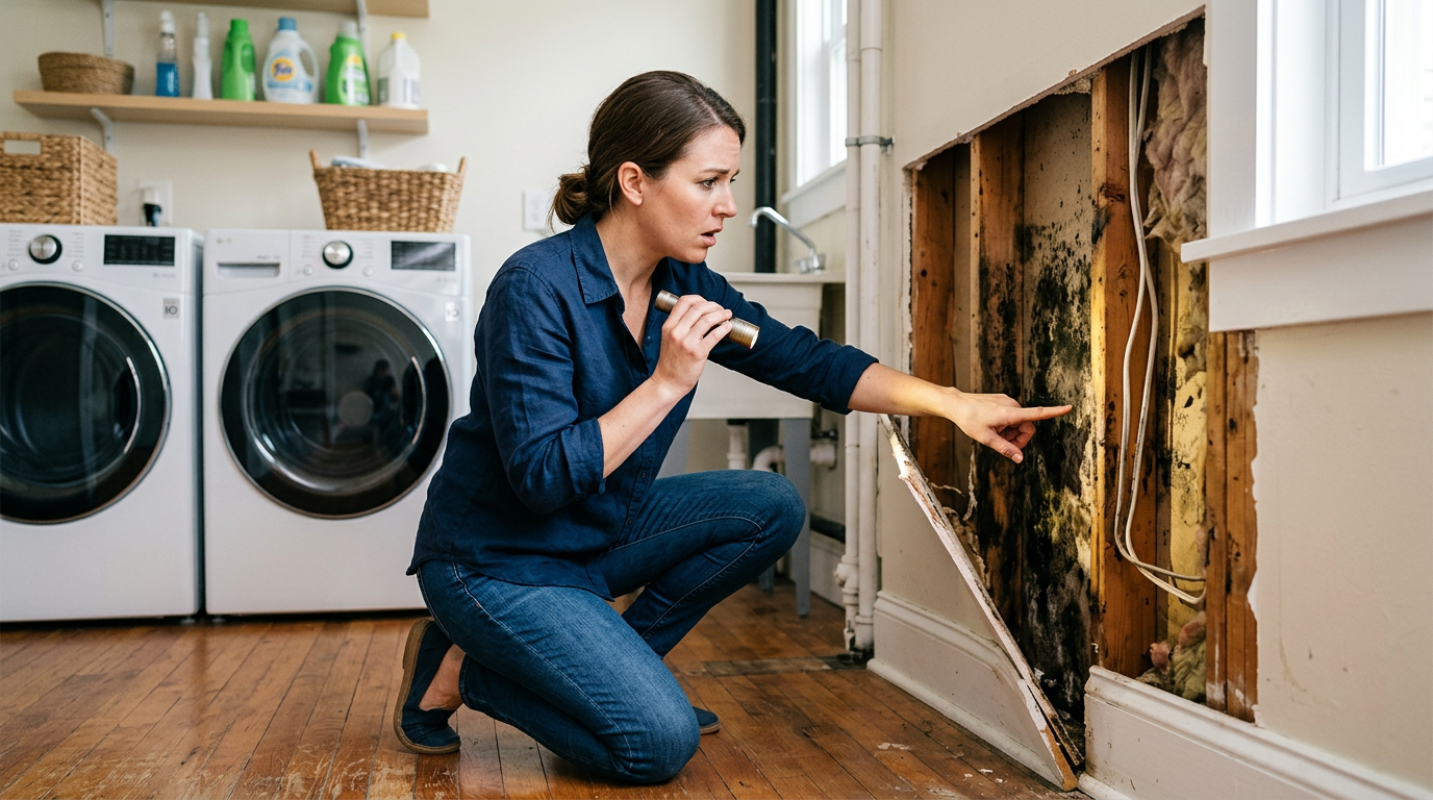
A thermal bridge is a highway for heat to escape, bypassing your insulation entirely. In older homes, these occur where materials conduct heat easily, such as a concrete balcony extending from a floor slab or steel beams cutting through walls. If you insulate the walls but ignore these bridges, you create cold spots that suck heat out and attract condensation like a magnet. This leads to mold growth and structure damage, which is definitely not part of the dream home vision. Identifying and breaking these bridges is crucial for the integrity of the retrofit.
Fixing this involves meticulous detailing. You might wrap a parapet wall in insulation or use thermally broken fasteners that do not conduct heat. For things like balconies, you might have to support them independently from the main structure to sever the thermal connection. It is a game of connect-the-dots where you ensure the insulation layer is never interrupted by conductive materials. By eliminating these weak points, you ensure the internal surface temperatures remain uniform. This consistency is what makes a passive house feel so uniquely comfortable, with no cold corners to avoid.
Mechanical Ventilation With Heat Recovery
Once you have sealed your home tight as a drum, you need a way to breathe. The mantra is build tight and ventilate right. Relying on random leaks for fresh air is inefficient and unhealthy, so a Mechanical Ventilation with Heat Recovery (MVHR) system is essential. This system constantly extracts stale, moist air from kitchens and bathrooms and supplies fresh, filtered air to bedrooms and living areas. It is the lungs of your house, ensuring you always have excellent indoor air quality without ever needing to open a window, though you can if you want to.
The genius of the MVHR system lies in the heat exchanger core. Before the warm stale air is ejected outside, it passes its heat energy to the incoming cold fresh air without the two air streams ever mixing. This means the fresh air entering your rooms is already pre-warmed, recovering up to ninety percent of the heat you would otherwise lose. It keeps humidity levels perfect, bans condensation, and filters out pollen and pollutants.
.jpg)